


Gutters that are never cleaned stop working as part of the home’s water control system. Water begins to move where it should not. In cold climate regions with debris, heavy rain, snow loads, and freeze thaw cycles, this creates a chain reaction. Water shifts toward structural parts of the home instead of away from them. All Season Enterprise treats routine gutter care as preventative property protection, not simple maintenance.
Why Gutters Exist: The Home’s Water Control System
Gutters and downspouts move water from the roof edge to discharge points away from the building. Their job is to protect siding, soffits, fascia, foundation walls, and basement areas from constant water exposure.
When working properly, the system reduces soil saturation near the foundation. It limits splashback against exterior walls. It prevents water from collecting at roof edges. This system serves a structural purpose, not a cosmetic one.
What Happens When Gutters Stay Clogged
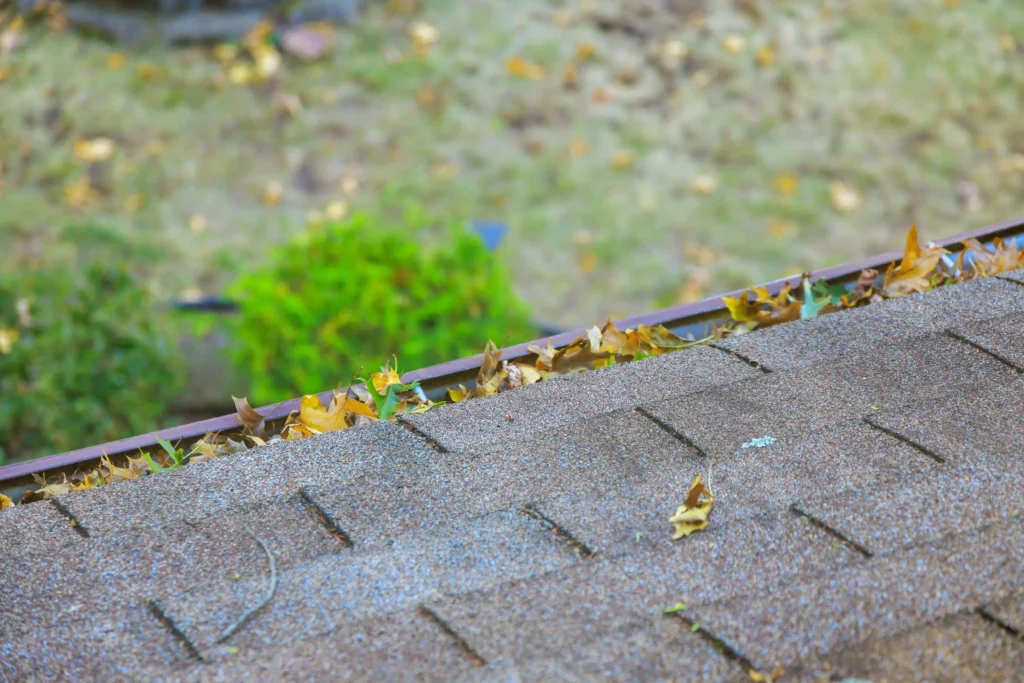
Clogged gutters fill with leaves, debris, and sediment. Water flow slows or stops. Rainwater and melting snow collect inside the trough. Standing water builds up. The system overloads. Water spills over the edge or backs up under roofing materials.
Water moves from controlled drainage paths to building surfaces. Repeated wetting causes material breakdown and structural stress. This is why scheduled gutter cleaning is preventative, not cosmetic.
Overflow Leads to Fascia and Soffit Rot
Water that cannot exit through downspouts rises along the back edge of the gutter. Moisture contacts fascia boards and soffit materials. These parts are often wood based. Repeated saturation causes rot. Mold growth can develop. Fasteners corrode. Structural strength at the roof edge weakens.
Water may also move beneath shingles at the eaves. Roof decking and underlayment can become damaged.
Exterior Wall and Siding Damage
Overflowing water runs down walls in heavy sheets. This differs from normal controlled runoff. Staining appears. Surface erosion develops. Repeated wetting degrades paint, wood siding, fiber cement, and other cladding. Moisture can enter at joints and penetrations. Water may move behind the cladding. Sheathing and framing can be affected.
Foundation Saturation and Structural Movement
Clogged gutters release roof water beside the home instead of away from it. Soil near the foundation becomes saturated. Hydrostatic pressure increases against foundation walls.
This pressure can lead to cracks, shifting, and settlement. The issue is not limited to large storms. Regular rainfall and snowmelt can keep soil wet. Long term structural stress increases.
Basement Leaks and Interior Water Damage
Water pooling at the foundation raises the risk of seepage. Moisture enters through cracks and joints. Basements may develop damp areas, standing water, or periodic leaks.
Interior impacts include insulation damage and material deterioration. Mold growth conditions can develop. Blocked gutters are directly linked to basement flooding risk in cold climates.
Winter Ice Dam Formation
In winter, clogged gutters trap melting snow. Water refreezes at the colder roof edge. Ice dams form. These dams block proper drainage. Water moves beneath shingles and into roof decking.
Ceiling stains may appear. Insulation can get wet. Interior leaks become more likely. Freeze thaw cycles increase stress along the roof edge.
How Fast Damage Can Develop
Damage speed depends on climate exposure and time. One season of neglect can cause staining and minor overflow patterns. Early gutter strain may appear. Within a year, repeated wetting can lead to fascia rot. Fasteners loosen. Gutters may begin to sag. After several years, foundation cracks become more likely. Basement moisture problems develop. Siding and roof edges deteriorate. Repairs shift from maintenance to structural work.
Financial Consequences of Neglect
Ignoring maintenance turns small service costs into major repair expenses.
• Fascia replacement when rot weakens structural wood
• Siding repair after long term runoff damage
• Foundation crack repair from water pressure
• Basement water remediation and mold control
• Roof edge and decking repair from moisture and ice dams
Routine service through All Season Enterprise helps keep roof runoff controlled before it reaches structural components.
Why Gutter Failure Affects the Whole House
Gutter problems do not stay at the roof edge. Water mismanagement affects walls, foundations, insulation, and indoor air conditions. Moisture in wall cavities reduces insulation performance. Mold growth may affect indoor air quality. Framing exposed to repeated moisture is more vulnerable to rot. Gutter neglect is a structural durability issue, not just an appearance problem.
When Gutter Neglect Becomes a Safety Issue
Clogged gutters create safety risks. Overflow and ice increase the chance of slippery walkways. Falling ice near entry points becomes more likely. Debris filled gutters attract pests.
Water weight and ice loads can pull gutters away from the home. Falling sections create hazard zones. If signs of overflow or sagging appear, it is safest to request a property risk evaluation to assess structural exposure and drainage failure.